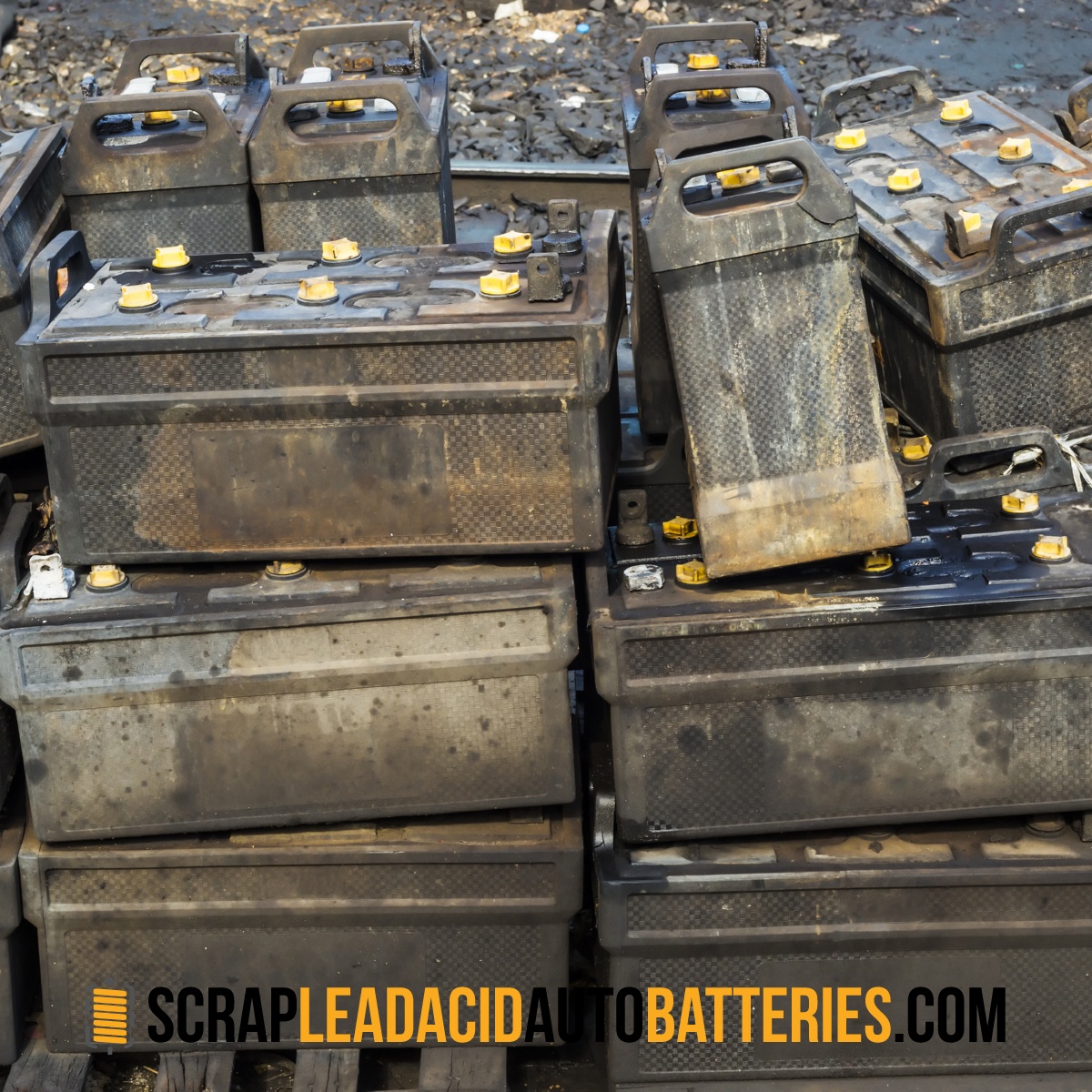
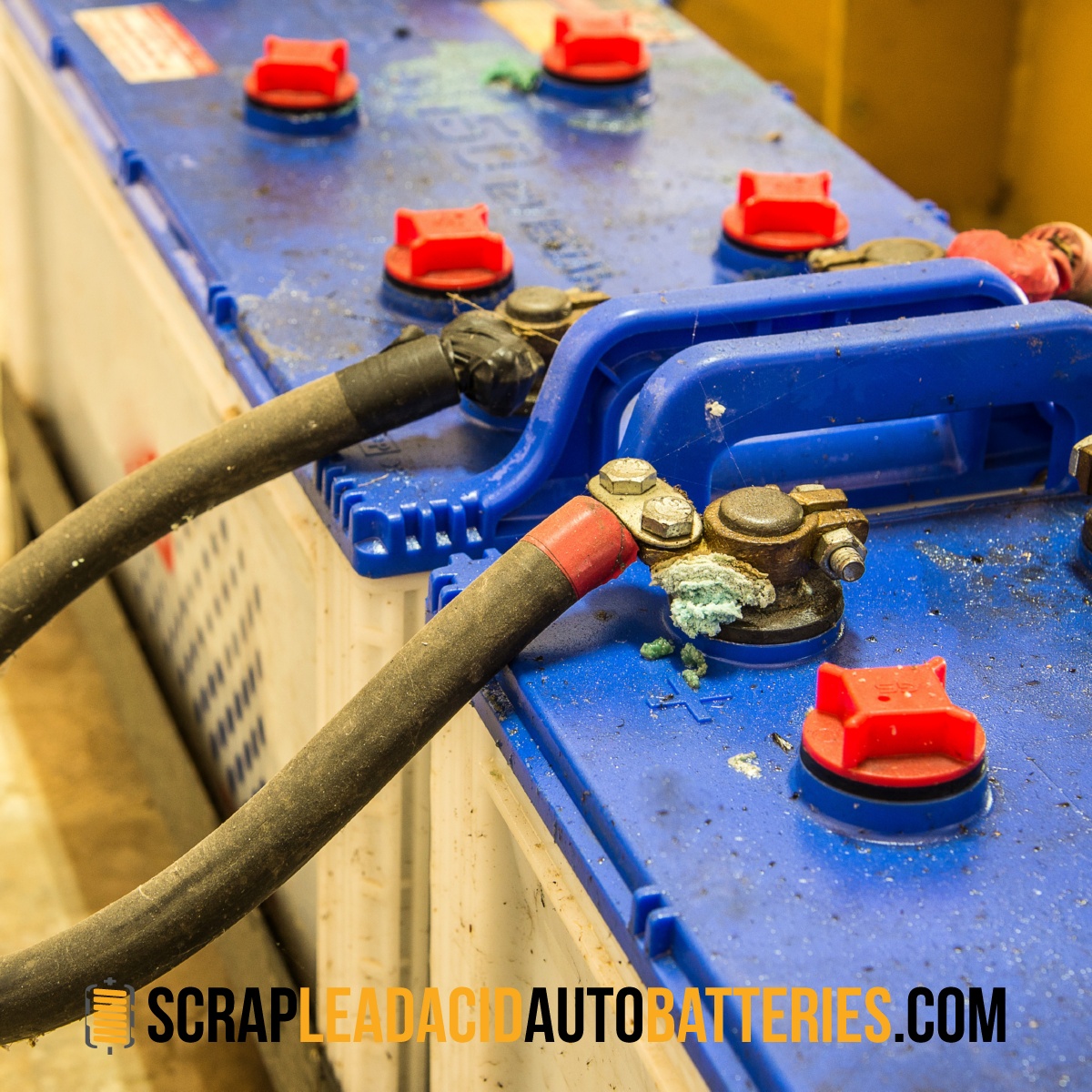
Lead acid batteries are a rechargeable power source. They are commonly utilized as backup power supplies and to power things like:
- Automobiles
- Electric scooters
- Electric wheelchairs
These are only a few items that are powered by or use lead acid batteries. The acid provides the electrochemical effect that powers these machines.
Eventually, lead acid batteries wear out typically because of loss of water, overcharging and sulfation. This where recycling services come in to recycle lead acid batteries.
Safety and the environment are consistently at the forefront of recyclers minds when performing this method. This is the reason this recycling process mostly happens in a controlled environment far from residential areas. The recycling of lead acid batteries consists of:
- First, collecting used or dead lead acid batteries.
- Then, recycling companies neutralize the acids.
- Subsequently, a hammer mill breaks the battery apart through the hammering process.
- Afterwards, the recyclers place the broken pieces in a vat so that the lead plates and other heavy materials will sink to the bottom while the plastic floats.
- Next, professional recyclers transport the polypropylene plastics into a plastic recycler to melt and refine them.
- Furthermore, they clean the lead plates and melt them in furnaces. Then, the recyclers melt and refine them.
- Lastly, they re-melt the pure ingot casts to use them in new batteries.
Recycling of lead acid batteries is fundamental because these batteries contain very toxic materials. Indiscriminate dumping of these materials could have a serious negative effect on the environment. For example, different countries have restricted incinerating or dumping lead acid batteries. It also protects natural resources, reuses valuable materials, reduces pollution and more. Services like us even buy used lead acid batteries to recycle them properly.
Since the process has been analyzed, one must become familiar with why it is so crucial to recycle lead acid batteries.